
dc motor gear
The Complete Guide to DC Motor Gearing Systems
Understanding the Power Transformation: Why Gears Are Essential
Every electronics enthusiast knows that basic DC motors spin impressively fast but struggle when facing resistance. That's where gearing systems come into play. Think of them as the mechanical equivalent of a transformer - they convert raw rotational energy into practical, usable force. You're essentially trading rotational velocity for turning power, allowing small motors to accomplish big tasks.
What Gear Systems Actually Do for DC Motors
Force Multiplication
The primary purpose is torque amplification. A tiny motor that can barely turn itself becomes capable of lifting substantial weights when paired with the right gear reduction.
Speed Control
Raw DC motors typically operate between 3,000 to 10,000 RPM - far too fast for most practical applications. Gearing brings this down to manageable speeds for wheels, arms, or conveyors.
Mechanical Adaptation
Gearboxes help match the motor's characteristics to the load's requirements, similar to how transmission systems work in vehicles.
Common Gear Configurations Explained
Straight-Cut Spur Gears
These feature simple parallel teeth and represent the most straightforward gearing solution. They're cost-effective for basic applications but can generate noticeable noise during operation. Perfect for budget-conscious projects where acoustic considerations aren't critical.
Planetary Gear Sets
Named for their sun-and-planets configuration, these systems distribute load across multiple contact points. They deliver exceptional torque in compact packages, making them ideal for robotic joints and precision mechanisms where space is limited but performance cannot be compromised.
Worm Drive Systems
Using a threaded screw to engage a gear wheel, worm drives offer two distinctive advantages: extreme reduction ratios in single stages and inherent self-locking capability. Once the motor stops, the load cannot back-drive the system - a crucial safety feature for lifting applications.
Angled Helical Gears
With teeth cut at deliberate angles, these gears engage more gradually than their straight-cut counterparts. The result is significantly smoother and quieter operation, though they require more precise engineering to manage the side thrust they generate.
Critical Technical Parameters
The Reduction Ratio Principle
This fundamental number tells you how dramatically the system transforms the motor's output. A 20:1 ratio means the output shaft rotates 20 times slower than the motor, while theoretically generating 20 times more turning force (minus efficiency losses).
Output Performance Specifications
When manufacturers list "12V 150RPM" on a gearmotor, they're referring to the final output - not the bare motor's characteristics. This represents the complete system's performance at the specified voltage.
Torque Measurement Matters
Torque specifications (typically in N·m or kg·cm) determine what loads the motor can actually move. Understanding your application's torque requirements prevents underpowered systems that struggle under load.
The Efficiency Trade-off
Different gear types convert power with varying effectiveness. Planetary systems often achieve 85-90% efficiency, while worm drives might only reach 50-70% due to their sliding contact design.
Backlash Considerations
This refers to the slight movement between gear teeth when direction changes. For precision positioning applications (like 3D printers or CNC systems), minimal backlash becomes essential, though it increases system cost.
Selecting the Right Gearmotor: A Practical Approach
Step 1: Application Requirements Analysis
Start with your actual needs:
-
Required output shaft speed in RPM
-
Necessary torque to overcome friction and move your load
-
Duty cycle (continuous or intermittent operation)
-
Environmental conditions
Step 2: Electrical Specifications
-
Match operating voltage to available power sources
-
Consider current draw and power requirements
-
Decide between brushed (simpler) and brushless (longer life) motor types
Step 3: Mechanical Configuration
-
Physical size and weight limitations
-
Mounting method (face, flange, or foot mounting)
-
Output shaft style and dimensions
-
Orientation requirements
Step 4: Special Requirements
-
Position sensing with encoders
-
Overload protection through slip clutches
-
Environmental sealing for outdoor or industrial use
-
Noise restrictions for consumer products
Real-World Implementation Examples
Robotics and Automation
From simple wheeled robots to complex industrial arms, gearmotors provide the muscle behind the movement. The right gearing allows precise control of speed and position.
Automotive Accessories
Power windows, windshield wipers, and seat adjusters all rely on compact gearmotors to convert electrical energy into mechanical motion.
Consumer Electronics
Coffee grinders, automatic soap dispensers, and camera zoom mechanisms demonstrate how gearmotors enable everyday conveniences.
Industrial Equipment
Conveyor systems, valve actuators, and packaging machinery depend on robust gearing solutions for reliable operation.
Popular Options for Developers and Hobbyists
Entry-Level Solutions
TT gearmotors offer an affordable starting point for educational robots and simple automation projects. Their plastic construction keeps costs down for prototyping.
Mid-Range Performance
Numbered motors (like 370, 380, or 550 classifications paired with metal gearboxes) provide better durability for more demanding applications without breaking the budget.
Professional-Grade Components
NEMA-standard gearmotors ensure interchangeability and reliability for commercial products and serious engineering projects.
Practical Implementation Tips
Proper Sizing
Avoid the common mistake of under-sizing motors. Add a 30-50% safety margin to your calculated torque requirements to handle startup forces and unexpected resistance.
Mounting Considerations
Rigid mounting prevents alignment issues that accelerate gear wear. Use proper brackets rather than relying on the motor casing alone for support.
Lubrication Maintenance
While many gearboxes come sealed for life, high-duty-cycle applications benefit from periodic lubrication with appropriate greases.
Electrical Protection
Include current limiting in your driver circuit to prevent motor burnout during stalls or overload conditions.
The Bottom Line
DC motor gearing systems transform impractical high-speed rotation into useful mechanical work. Whether you're building a competition robot, automating a small process, or developing a commercial product, understanding these mechanical transformers helps you match the drive system to the task. The key lies in analyzing your actual load requirements rather than simply choosing the most powerful option available. With proper selection and implementation, these compact power packages deliver reliable performance across countless applications.
The following article will allow you to learn more about the subject, you choose the topic of interest and continue browsing.
what is a fried motor
what is motor number of poles
brushed motor brushes
what is a psc motor
what is a fried motor
If the parameters of this motor do not meet your requirements, please click to learn more about the motors we recommend for you.
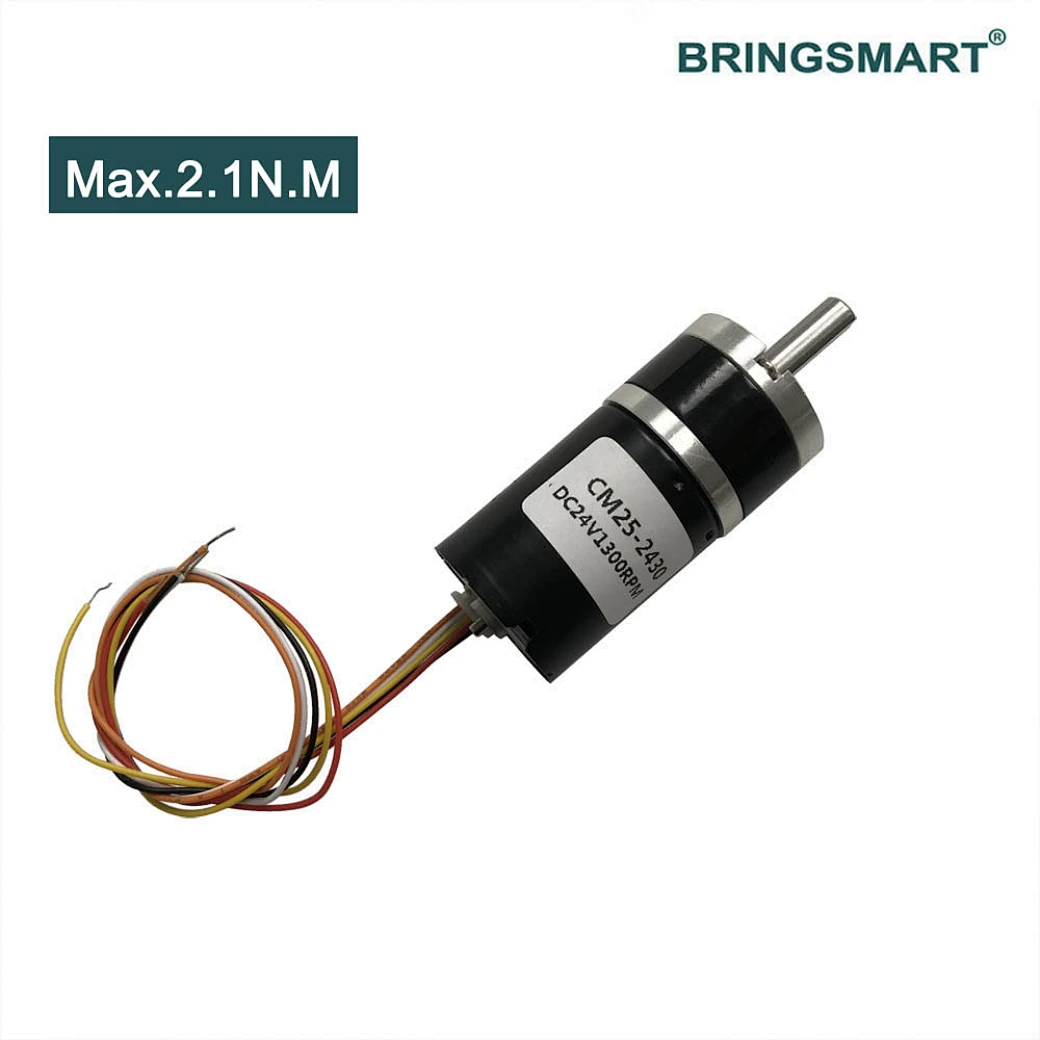
25mm Gear box diameter
It's the same 25mm diameter gearbox as the one you just looked at, the overall motor length is slightly longer, but with the planetary gearbox and bldc motor, the max torque is 21kgf.cm, the previous one only had a max torque of 11kgf.cm.
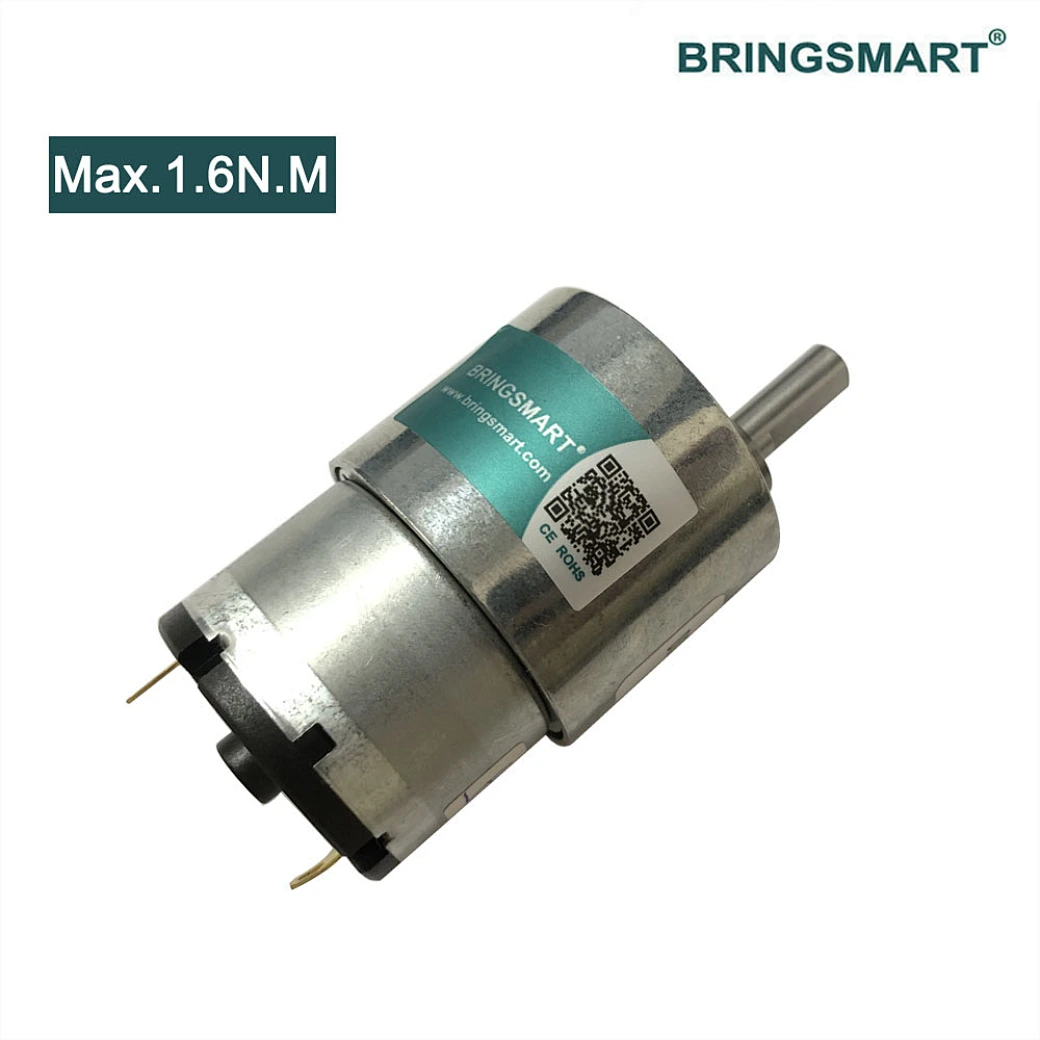
37mm Gearbox diameter
Using a 37mm diameter spur gear reducer with a brushed motor, it achieves a maximum torque of 16kgf.cm, compared to the previous model's maximum torque of 11kgf.cm.
37mm Gearboxs diameter
Using a 37mm diameter spur gear reducer with a brushed motor, it achieves a maximum torque of 35kgf.cm, compared to the previous model's maximum torque of 11kgf.cm.
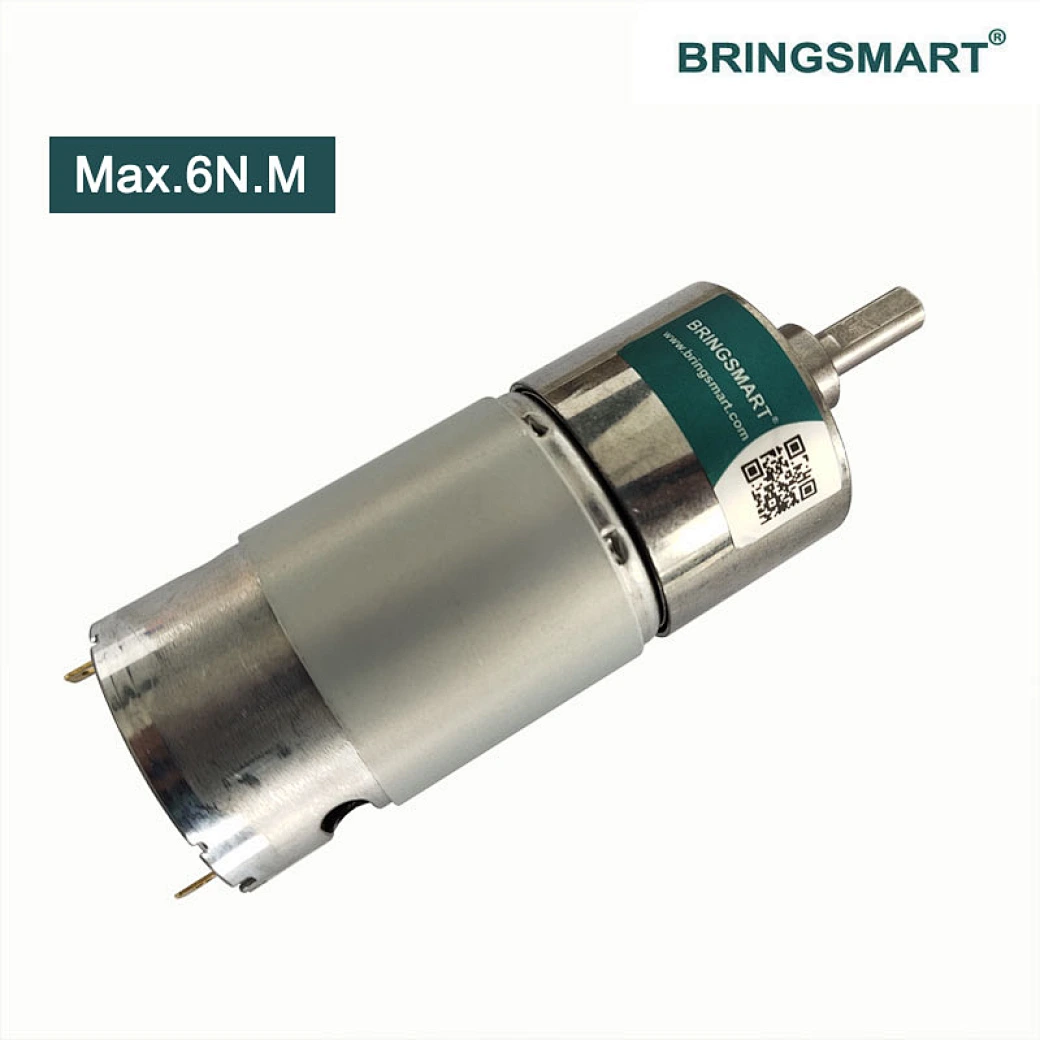
37mm Reducer diameter
Using a 37mm diameter spur gear reducer with a brushed motor, the motor length is much longer than the previous oneit achieves a maximum torque of 60kgf.cm, compared to the previous model's maximum torque of 11kgf.cm.
Because of the page limitations of the website, there is no way to show all the motors, perhaps you have not found a satisfactory motor, please check the content below to contact us!
