
dc electric motors
The Engine of Modern Motion: A Deep Dive into DC Motors
From the precise movements in a robotic arm to the simple spin of a desk fan, DC electric motors are the silent workhorses powering our world. But how exactly do these devices transform simple electrical current into powerful, controlled motion? Let's break down the magic behind the machine.
The Core Concept: It's All About Push and Pull
At its heart, a DC motor operates on a beautiful interplay between electricity and magnetism. The fundamental rule is this: when an electric current flows through a wire within a magnetic field, a force is generated that pushes the wire. In a motor, this "push" is harnessed to create continuous rotation.
To make this happen, four key components work in concert:
-
The Stator (The Stationary Force): This is the motor's outer shell, which creates a constant, stable magnetic field. Think of it as the unmoving anchor.
-
The Rotor or Armature (The Spinning Heart): This is the part that rotates. It's a cylinder of coiled wires that becomes an electromagnet when power is applied.
-
The Commutator (The Master Switch): Mounted on the rotor's shaft, this is a cleverly segmented copper ring. Its job is critical—it reverses the electrical current at just the right moment.
-
The Brushes (The Power Bridge): These stationary carbon contacts press against the spinning commutator, delivering electric power to the rotor.
The Dance of Motion: Power flows from the source, through the brushes and commutator, and into the rotor's coils. This instantly turns the rotor into a magnet. The magnetic field from the stator repels and attracts the field from the rotor, forcing it to spin. Just as the rotor is about to lock into a stable position, the commutator segments slide past the brushes, flipping the current and the rotor's magnetic polarity. This push becomes a pull, and the spin continues uninterrupted.
A Family of Motors: Choosing the Right Tool for the Job
Not all DC motors are created equal. They are designed in different ways to excel at specific tasks, primarily defined by how their magnetic field is generated.
1. The Simple Powerhouse: Permanent Magnet (PMDC) Motor
-
How it Works: Uses powerful permanent magnets in the stator for a constant, unwavering magnetic field.
-
Personality:
-
Straightforward, cost-effective, and robust.
-
Delivers solid power from a standstill.
-
Its speed is directly proportional to the voltage you feed it, making control a breeze.
-
-
Where You'll Find It: Powering toy cars, operating car window lifts, running computer cooling fans, and driving small kitchen appliances.
2. The Workhorse with a Twist: Brushed DC Motors
These motors use an electromagnetic stator, and their personality changes dramatically based on how that electromagnet is wired.
a) The Mighty Ox: Series Wound Motor
-
The Wiring: The field and armature coils are linked in a single loop, carrying the same full current.
-
Personality:
-
Incredible raw strength to start moving heavy loads.
-
Its speed is highly dependent on the load; it's slow under heavy weight but can spin dangerously fast when unloaded.
-
-
Ideal For: Heavy-duty applications like industrial hoists, winches, and drill rigs where starting torque is paramount.
b) The Steady Eddy: Shunt Wound Motor
-
The Wiring: The field coil is wired in parallel (a "shunt" path) with the armature.
-
Personality:
-
The marathon runner—it maintains a remarkably constant speed even as the load changes.
-
Offers a balanced amount of starting power.
-
-
Ideal For: Machine tools, conveyor belts, and air blowers where consistent speed is more critical than brute starting force.
c) The Best of Both Worlds: Compound Wound Motor
-
The Wiring: A hybrid design incorporating both series and shunt field coils.
-
Personality:
-
Combines the strong starting torque of the series motor with the reliable speed regulation of the shunt motor.
-
A versatile and well-balanced performer.
-
-
Ideal For: Heavy machinery like stamping presses, elevators, and rolling mills that need power and control.
Weighing the Pros and Cons: The Brushed Motor Dilemma
| Strengths | Weaknesses |
|---|---|
| Simple and inexpensive speed controllers. | Mechanical Wear: Brushes and commutators physically wear down, requiring maintenance. |
| Superior power output at low rotational speeds. | Electrical Noise: The brushing action can cause sparking and electromagnetic interference. |
| Effortless and precise control over speed. | Efficiency Loss: Energy is lost as heat due to friction and electrical resistance at the contact point. |
| Instantaneous torque for demanding starts. | Limited Lifespan: The motor's life is ultimately tied to the lifespan of its brushes. |
The Modern Marvel: Enter the Brushless DC (BLDC) Motor
To solve the inherent drawbacks of brushed motors, engineers flipped the script and developed the Brushless DC Motor.
-
The Game-Changing Design: The traditional layout is reversed.
-
The permanent magnets are placed on the rotor.
-
The electromagnets are fixed on the stator.
-
-
How it Works: Without brushes to do the switching, a sophisticated electronic controller takes over. This "brain" uses sensors to detect the rotor's position and precisely energizes the stator coils in sequence, creating a rotating magnetic field that drags the rotor around with it.
-
Why It's a Game-Changer:
-
Unmatched Efficiency: No energy loss from brush friction means more power goes to the workload.
-
Exceptional Longevity: With no parts rubbing together, the motor's lifespan is dramatically extended.
-
High-Speed Champion: Capable of spinning at much higher RPMs.
-
Quiet and Clean: No sparking means less noise and no risk of ignition in volatile environments.
-
-
The Trade-Off:
-
Requires a complex and more expensive electronic speed controller.
-
-
Modern Applications: Drones, Electric Vehicles (EVs), high-efficiency home appliances (like modern washers), precision CNC machines, and advanced robotics.
Head-to-Head: Brushed vs. Brushless
| Feature | Brushed DC Motor | Brushless DC (BLDC) Motor |
|---|---|---|
| Control Mechanism | Physical Contact (Brushes) | Digital Intelligence (Controller) |
| Upkeep | Regular Maintenance Needed | Virtually Maintenance-Free |
| Durability | Limited by Brush Life | Significantly Longer |
| Operational Efficiency | Moderate | Superior |
| Performance Sweet Spot | High starting force, lower top speeds | High rotational speeds, consistent power |
| System Complexity | Simple Motor, Simple Drive | Simple Motor, Smart Drive |
| Initial Cost | Lower for the motor itself | Higher (consider motor + controller) |
| Operational Environment | Can cause sparks; not for volatile areas | Safe for clean and hazardous environments |
The Final Turn
DC motor technology is a tale of evolution. The classic brushed motor, with its straightforward design, remains a viable and economical solution for countless applications. However, for the demands of the 21st century—where efficiency, reliability, and smart control are paramount—the Brushless DC Motor has firmly taken the lead, driving innovation in everything from personal transportation to automated industry.
The following article will allow you to learn more about the subject, you choose the topic of interest and continue browsing.
dc motor parts
electric motor encoder
If the parameters of this motor do not meet your requirements, please click to learn more about the motors we recommend for you.
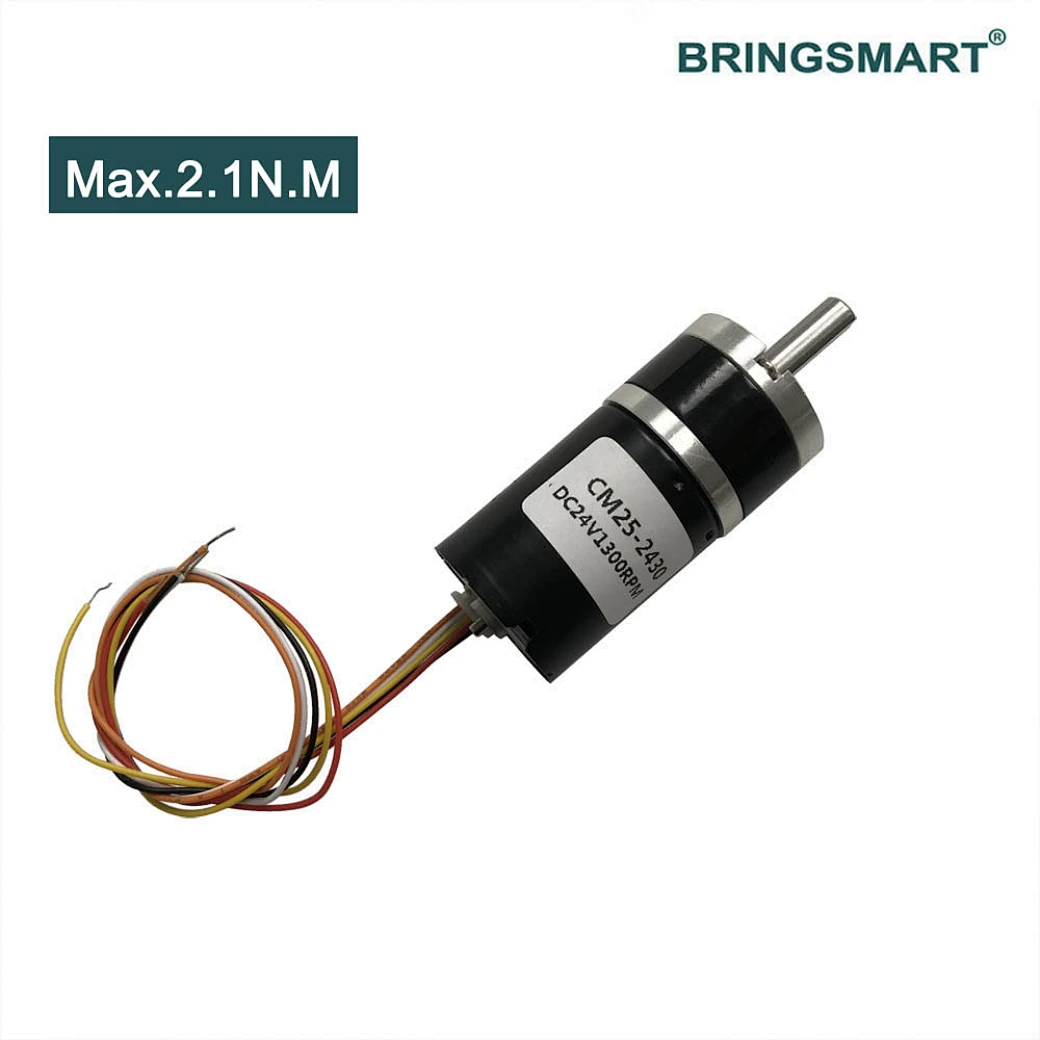
25mm Gear box diameter
It's the same 25mm diameter gearbox as the one you just looked at, the overall motor length is slightly longer, but with the planetary gearbox and bldc motor, the max torque is 21kgf.cm, the previous one only had a max torque of 11kgf.cm.
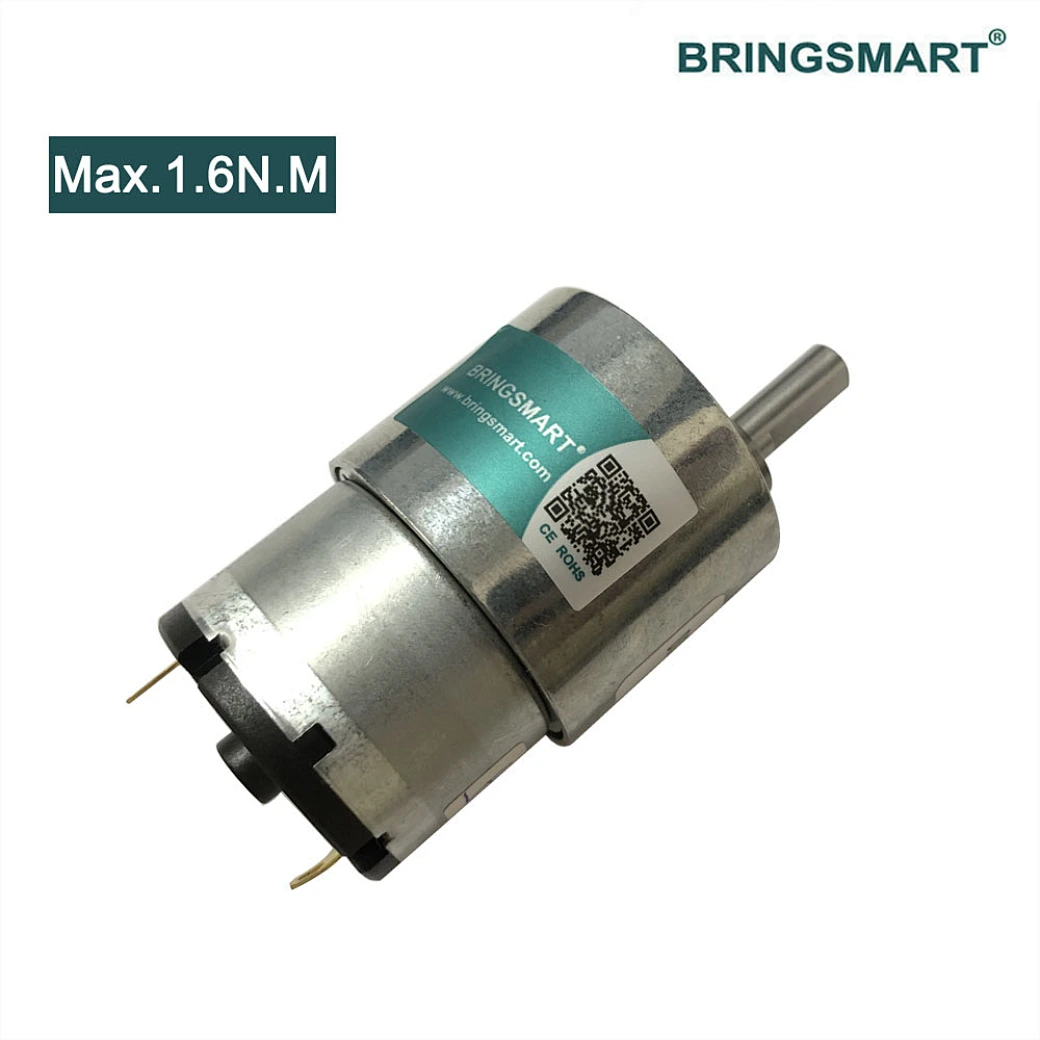
37mm Gearbox diameter
Using a 37mm diameter spur gear reducer with a brushed motor, it achieves a maximum torque of 16kgf.cm, compared to the previous model's maximum torque of 11kgf.cm.
37mm Gearboxs diameter
Using a 37mm diameter spur gear reducer with a brushed motor, it achieves a maximum torque of 35kgf.cm, compared to the previous model's maximum torque of 11kgf.cm.
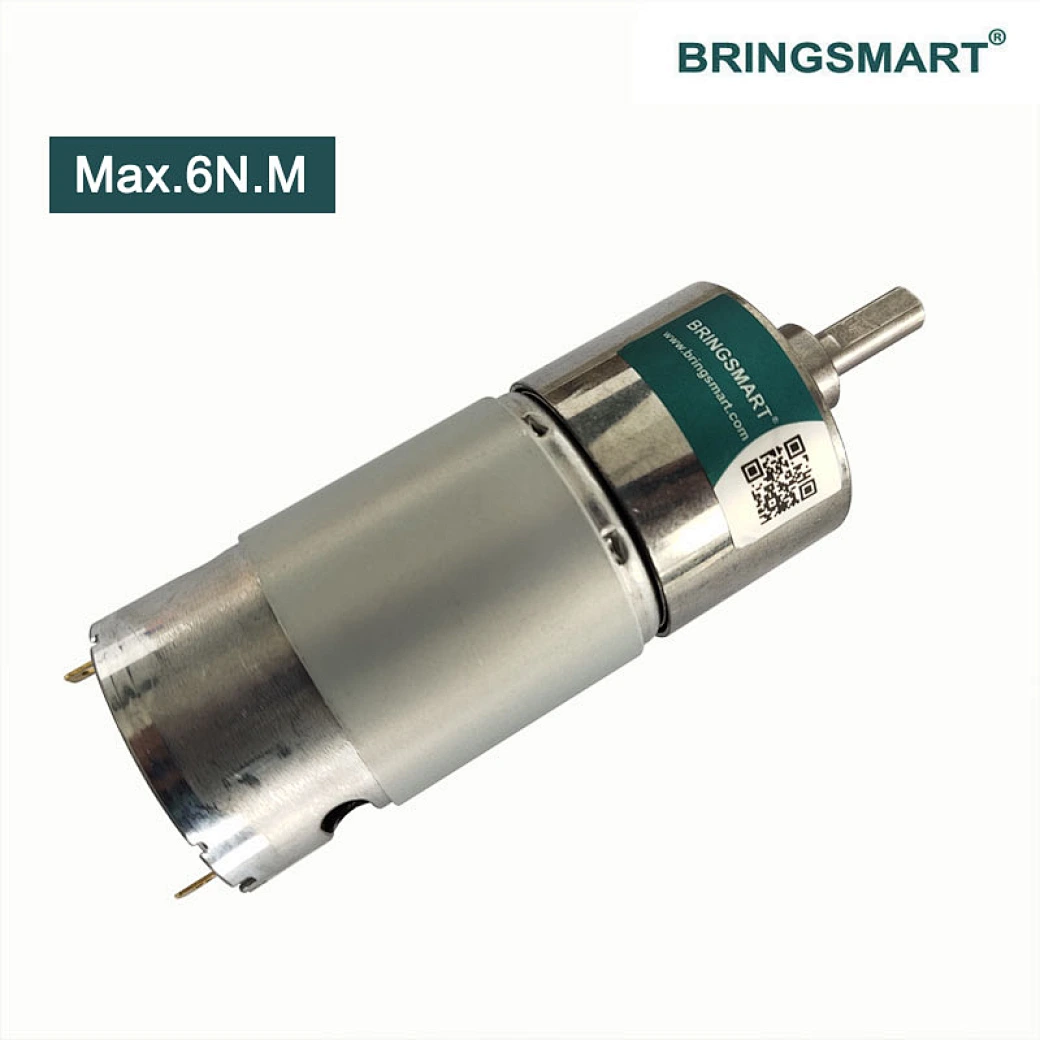
37mm Reducer diameter
Using a 37mm diameter spur gear reducer with a brushed motor, the motor length is much longer than the previous oneit achieves a maximum torque of 60kgf.cm, compared to the previous model's maximum torque of 11kgf.cm.
Because of the page limitations of the website, there is no way to show all the motors, perhaps you have not found a satisfactory motor, please check the content below to contact us!
