
brushless dc vs brushed motor
Brushed vs. Brushless DC Motors: What No One Tells You
If you've ever shopped for a power tool, an ebike kit, or even a decent vacuum cleaner, you've seen the words "brushless motor" slapped all over the box like it's magic. And brushed motors? They get treated like old news.
But here's the truth most people don't realize: brushed motors are still the right choice for a lot of projects. And brushless motors can be a headache if you don't know what you're getting into.
So let's walk through the real differences. No marketing fluff. Just what actually matters when you're building something.
The 30-Second Difference
A brushed motor uses physical carbon blocks—brushes—that rub against a spinning copper ring. That rubbing flips the current direction inside the motor and keeps it turning. Simple. Cheap. But those brushes wear out.
A brushless motor swaps things around. The magnets spin. The coils stay still. And an electronic controller decides when to fire each coil. No rubbing. No brushes to replace. But now you need that controller.
That's the basic trade-off. Everything else flows from there.
Let's Talk Money First
Brushed motors are dirt cheap. Walk into any electronics surplus shop or scroll through AliExpress. You can grab a small brushed motor for a few dollars. A brushed motor with a gearbox? Still under ten bucks.
A brushless motor? The motor itself costs more. Then you need a controller. A decent brushless controller starts around $15–20 for something simple. For FOC and smooth low-speed torque? Double that or more.
So if you're building something where every dollar counts—a toy, a one-off gadget, a throwaway prototype—brushed looks very attractive.
But here's the kicker. If your device runs for hours every day, the brushed motor will eat through brushes. And those brush replacements cost labor, downtime, and frustration. Suddenly that cheap motor isn't so cheap anymore.
Lifespan: Where Brushless Runs Away
Let me give you real numbers from actual use.
A typical brushed motor running continuously might last 1,000 to 3,000 hours. That sounds like a lot until you realize a factory conveyor belt runs 24/7. Or an HVAC fan runs all summer. Those hours add up fast.
When the brushes go, you either replace them—if the motor was designed for it—or toss the whole motor. Many cheap brushed motors aren't meant to be repaired. Once the brushes wear down to nothing, it's trash.
A brushless motor? Ten thousand hours is normal. Twenty thousand isn't crazy. The bearings will fail before the electronics do, and bearings are easy to swap.
I've seen brushless motors from old hard drives still spinning perfectly after fifteen years. Try that with a brushed motor from the same era.
Efficiency: The Hidden Cost
Here's something nobody thinks about until the battery dies too fast.
Brushed motors waste energy as heat. That heat comes from brush friction and the tiny sparks jumping between the brushes and the commutator. At full load, a brushed motor might be 60–75% efficient. The rest is just cooking itself.
Brushless motors run 85–95% efficient in many applications. That difference matters when you're running off a battery.
A cordless drill with a brushed motor might give you twenty minutes of heavy use. The same drill with a brushless motor? Thirty minutes or more on the same battery. That's not marketing. That's just physics.
For something plugged into the wall, efficiency matters less. For anything battery-powered, it's huge.
Noise and Annoyance
Ever used a cheap angle grinder and felt like your teeth were vibrating loose? Part of that is balance. Part of it is the brushes.
Brushed motors make that high-pitched whine plus a scratching, buzzing sound from the brushes bouncing on the commutator. Brushless motors are much quieter. All you hear is the fan and the bearings.
Also, brushed motors throw off electrical noise. Those tiny sparks create radio interference. If you're putting a motor near sensitive electronics—medical gear, audio equipment, radio transmitters—that interference can cause real problems. Brushless motors don't do that.
Control: Easy vs. Good
This one trips people up.
A brushed motor is laughably easy to control. Give it DC voltage, it spins. Lower the voltage, it slows down. Reverse the polarity, it spins backward. You don't need a degree in electrical engineering. A potentiometer and a battery work fine.
But "easy" isn't the same as "good." At very low speeds, brushed motors lose torque. Like, a lot of torque. Try to crawl a brushed motor at 50 RPM under load, and it will stall or chatter.
A brushless motor with a proper FOC controller? You can get full torque at zero RPM. That's why ebikes and robots use brushless motors. You need that low-end grunt.
The catch is that brushless controller. It has to track rotor position and switch coils with precise timing. Get the controller wrong, and the motor will stutter, overheat, or just refuse to start.
Where Brushed Still Makes Sense
Let me be blunt. If you're building something that runs intermittently—a few minutes a day, a few hours a week—brushed is fine. Save your money.
Specific use cases where I'd still pick brushed:
-
Cheap power tools for home use. You're not drilling for eight hours straight. A $40 brushed drill will last years.
-
Automotive accessories like window lifts or seat adjusters. They run a few seconds at a time. Brushes outlast the car.
-
Toys and hobby servos. Cost matters more than lifespan.
-
One-off prototypes. Don't over-engineer something you might scrap next month.
-
Emergency or backup systems. Simplicity has value when you need it to just work.
Where Brushless Is Worth Every Penny
Now here's where brushless isn't optional. It's necessary.
-
Ebikes and escooters. You need torque from zero speed and maximum battery range. Brushed can't compete.
-
Drones and RC aircraft. Weight and efficiency are everything. Brushless dominates here completely.
-
Professional power tools. Framers, electricians, mechanics using their tools daily. The runtime difference alone pays for the upgrade.
-
Appliances that run for hours—fans, pumps, vacuums. The efficiency savings add up fast.
-
Medical devices. Quiet operation and no electrical interference are non-negotiable.
The Integrated Controller Trick
Here's a shortcut most articles don't mention.
You can buy brushless motors with the controller built right into the housing. They look like regular motors from the outside. You just give them DC power and maybe a PWM signal for speed. No separate controller board. No firmware to write. No headaches.
Search for "integrated BLDC motor" or "BLDC motor with driver." They cost more than a raw brushed motor but way less than a brushless motor plus designing your own controller.
For small production runs or hobby projects where you don't want to become a motor control expert, these are gold.
How People Actually Kill Motors
I've seen a lot of dead motors. Here's how they usually die.
Brushed motor failures:
-
Brushes wear down to nothing. Motor just stops.
-
Commutator gets grooved and pitted. Motor gets weak and noisy before it dies.
-
Brush dust builds up inside and creates a conductive path. Sudden short circuit. Dead.
Brushless motor failures:
-
Bearings dry out or get noisy. Replaceable.
-
Controller board dies. Often takes the motor with it in a puff of smoke.
-
Moisture kills the electronics before the motor itself fails.
In dirty or wet environments, brushed motors sometimes survive longer because there's no exposed electronics. Something to think about if you're building outdoor gear.
So Which One Should You Actually Buy?
Here's my honest take after building things with both.
If you have to ask this question because you're on a tight budget, just buy brushed. It will work. It will be fine. You can upgrade later.
If you're building something for a customer, or something you'll use every day, or something battery-powered that needs to last all day—go brushless. The extra cost up front saves you headaches later.
And if you're somewhere in the middle? Run the numbers.
-
Less than 50 total operating hours over the product's life? Brushed.
-
50 to 500 hours? Either could work. Depends on budget and noise concerns.
-
More than 500 hours? Brushless pays for itself in maintenance alone.
One Last Reality Check
Five years from now, brushed motors will still be around. They're too cheap and too simple to disappear completely. But the gap keeps shrinking. Brushless motors and controllers get cheaper every year.
For now? Use brushed where cost is king and runtime is short. Use brushless everywhere else.
And ignore anyone who tells you one is "always better." That's just someone who hasn't built enough real stuff.
The following article will allow you to learn more about the subject, you choose the topic of interest and continue browsing.
servo motor vs stepper motor
how to test an electric motor with a multimeter
what is a gear motor
brushless motor controller
servo motor vs stepper motor

If the parameters of this motor do not meet your requirements, please click to learn more about the motors we recommend for you.
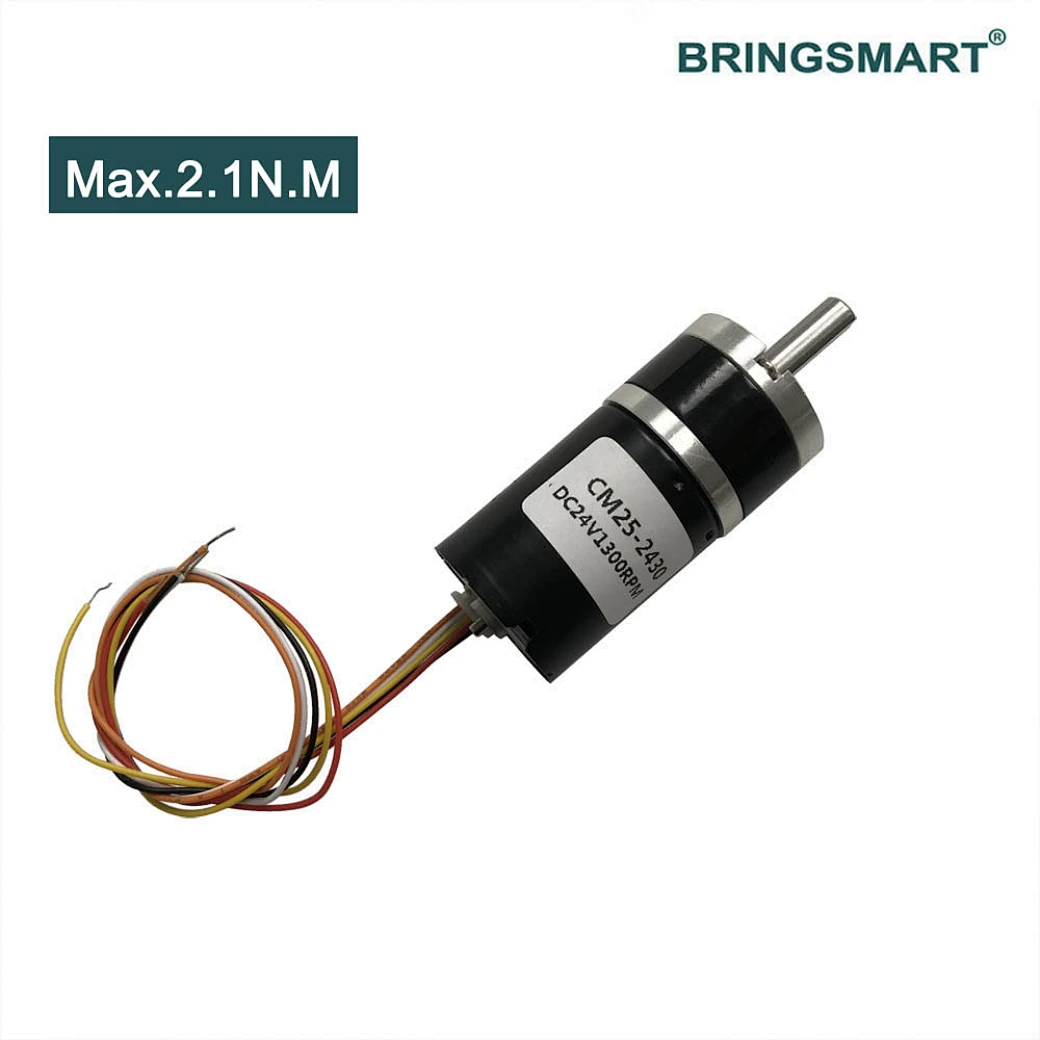
25mm Gear box diameter
It's the same 25mm diameter gearbox as the one you just looked at, the overall motor length is slightly longer, but with the planetary gearbox and bldc motor, the max torque is 21kgf.cm, the previous one only had a max torque of 11kgf.cm.
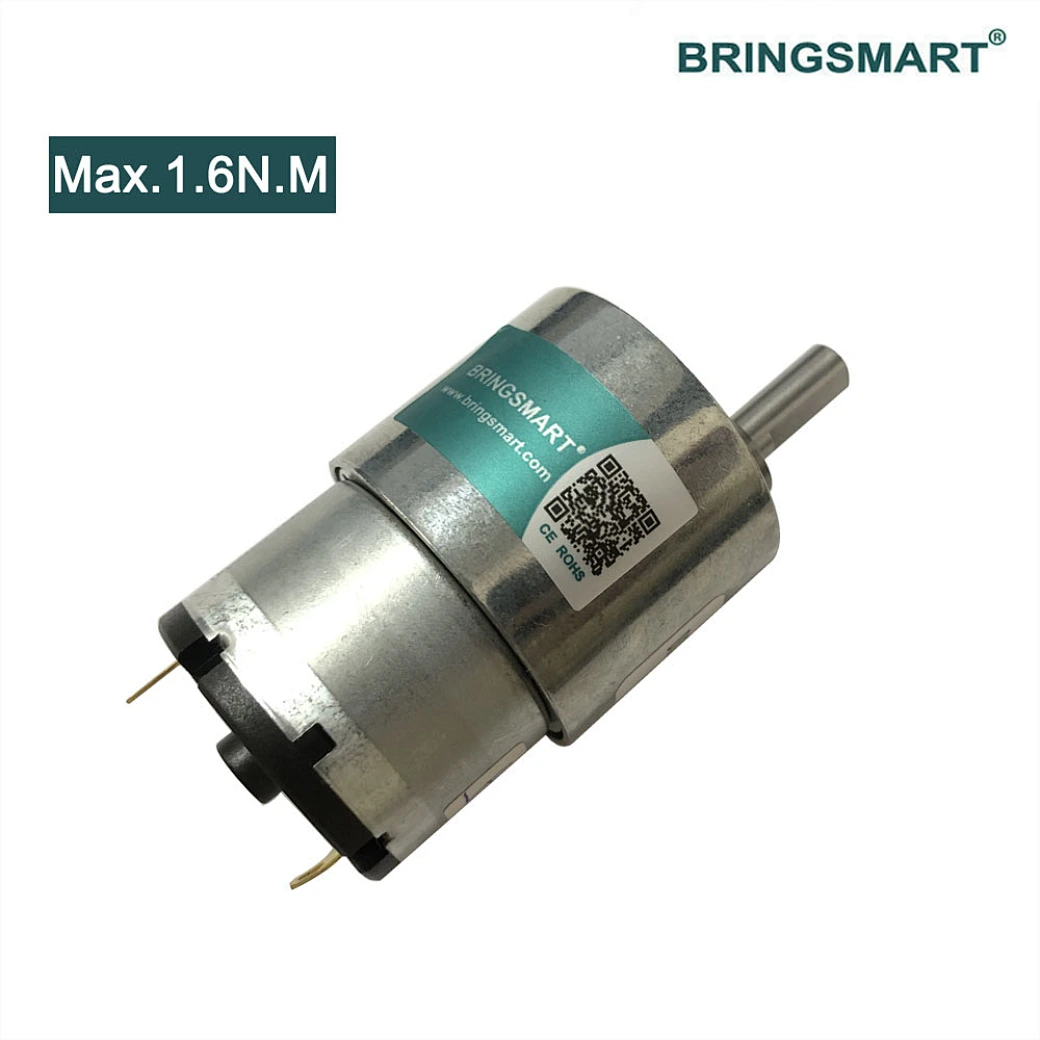
37mm Gearbox diameter
Using a 37mm diameter spur gear reducer with a brushed motor, it achieves a maximum torque of 16kgf.cm, compared to the previous model's maximum torque of 11kgf.cm.

37mm Gearboxs diameter
Using a 37mm diameter spur gear reducer with a brushed motor, it achieves a maximum torque of 35kgf.cm, compared to the previous model's maximum torque of 11kgf.cm.
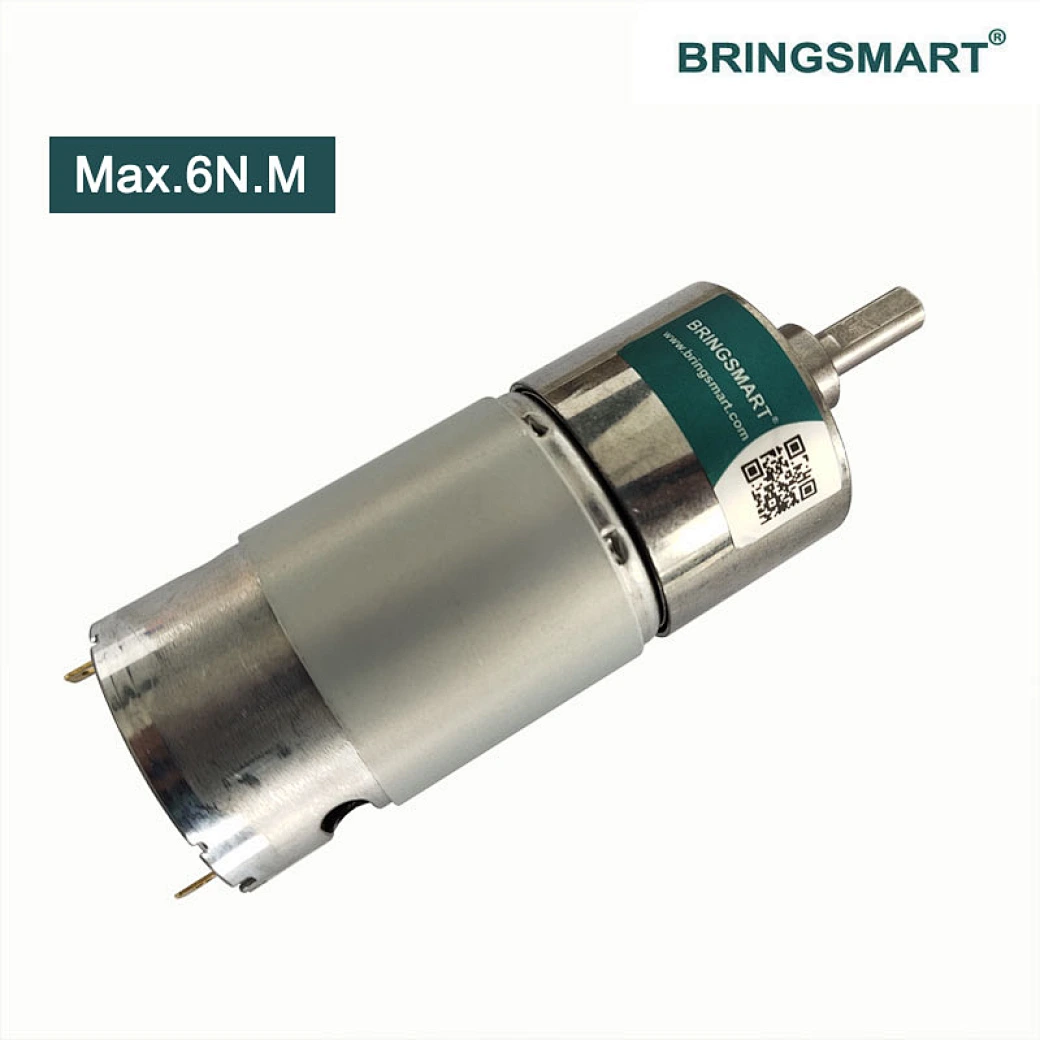
37mm Reducer diameter
Using a 37mm diameter spur gear reducer with a brushed motor, the motor length is much longer than the previous oneit achieves a maximum torque of 60kgf.cm, compared to the previous model's maximum torque of 11kgf.cm.
Because of the page limitations of the website, there is no way to show all the motors, perhaps you have not found a satisfactory motor, please check the content below to contact us!